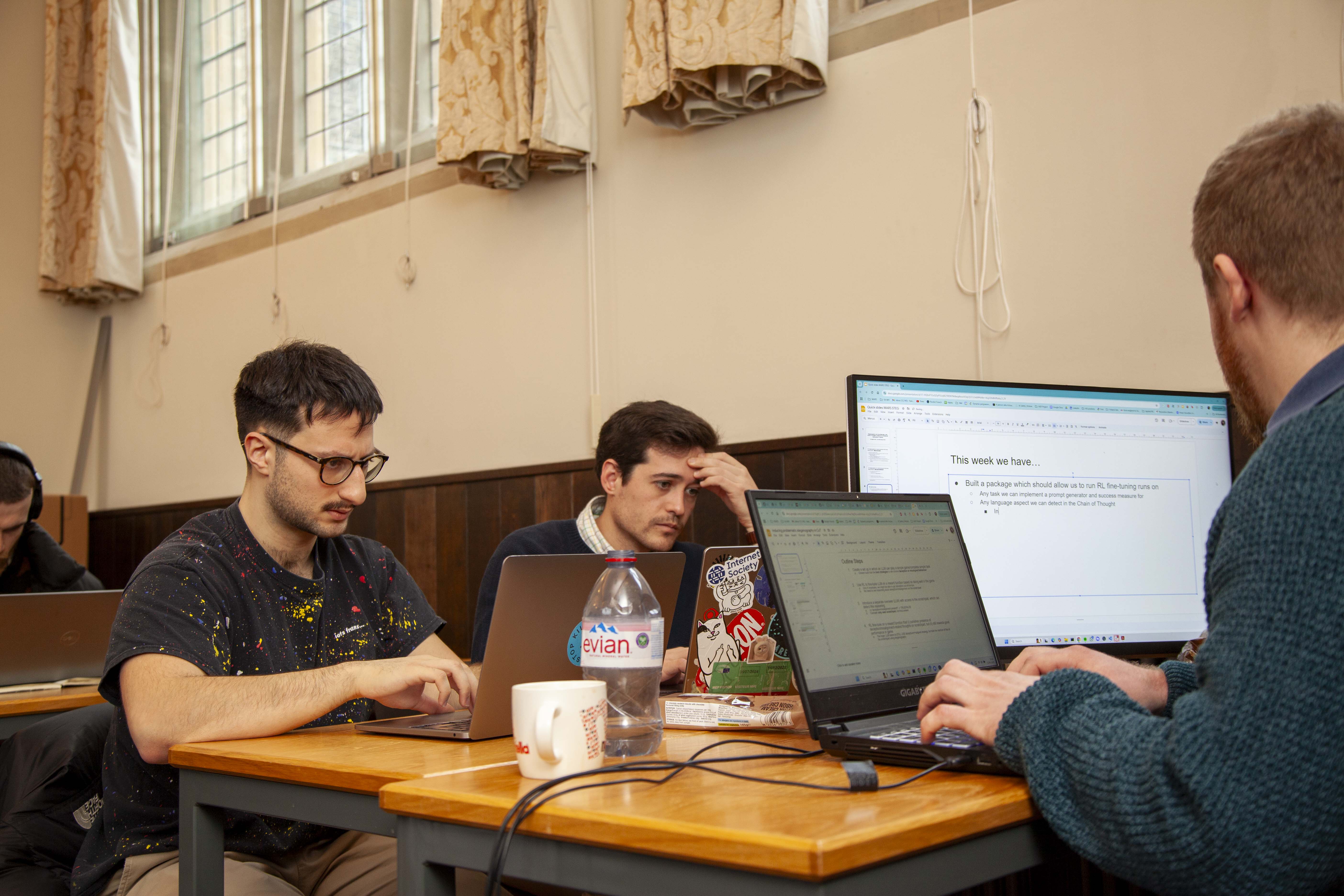
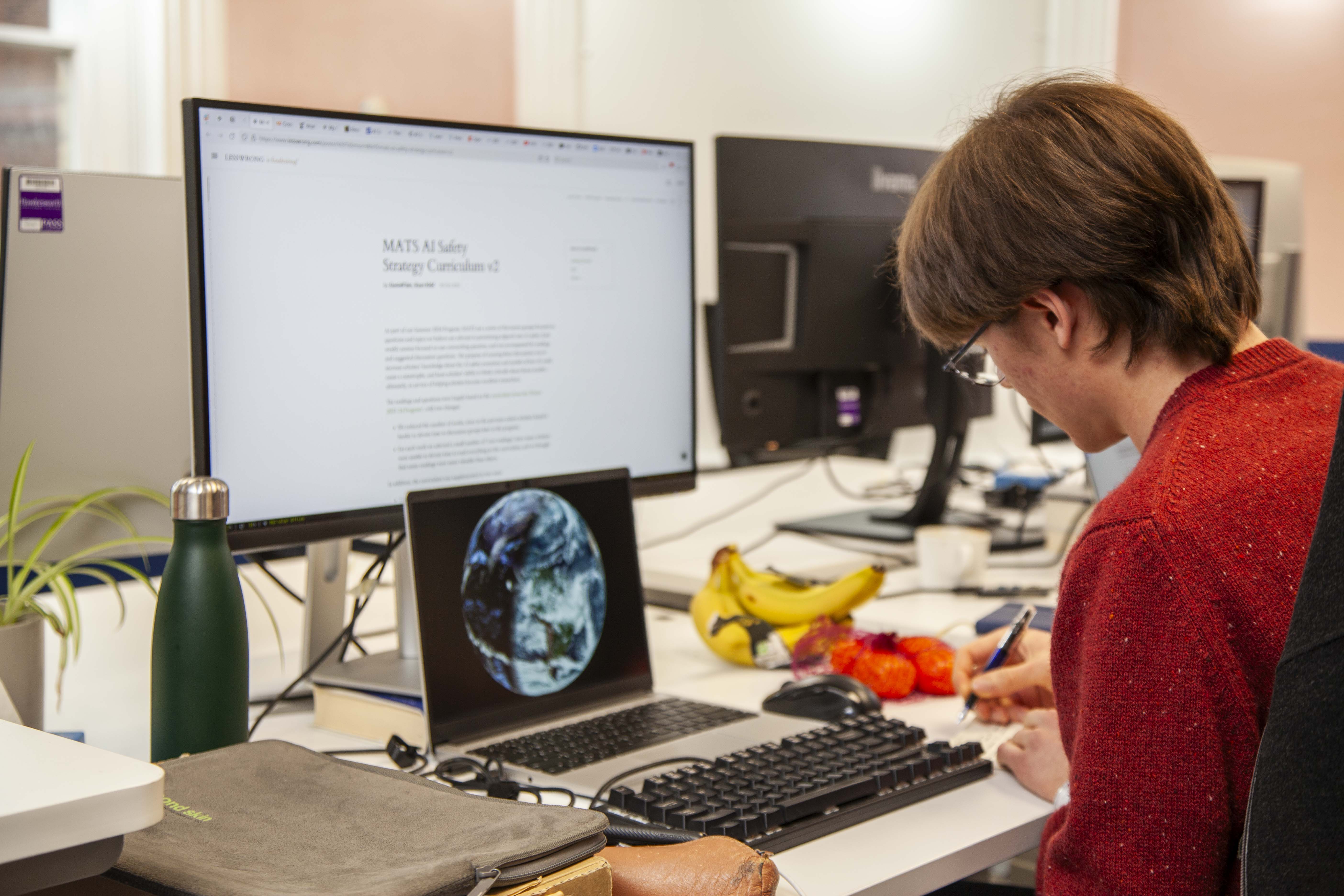
The Alignment Desk is a structured writing programme for people in Cambridge or London who want to develop their thinking on AI safety and share it through published writing.
A small cohort meets on Saturdays at Meridian in Cambridge. You'll work on your own projects, with feedback from the group and weekly goals to help you finish them. We expect each participant to publish three pieces during term.
What this is
Dedicated writing time
Weekly Saturday sessions at the Meridian Office. Quiet, structured, and distraction-light. Whiteboards are available in separate rooms for collaboration.
Accountability
You commit to a project at the start of term and report progress each week. The cohort is small, and progress is visible.
Fast feedback
During breaks, participants can sanity-check arguments, get quick red-teams, or talk through ideas that are stuck.
Access to the ecosystem
Where useful, we can help connect participants with researchers, policy professionals, or others in the Cambridge AI safety community. We will also invite relevant experts into the office to give feedback on drafts.
Publishing your work
We expect everyone to publish three pieces during term. If you do not meet this requirement, we will ask you to leave the programme.
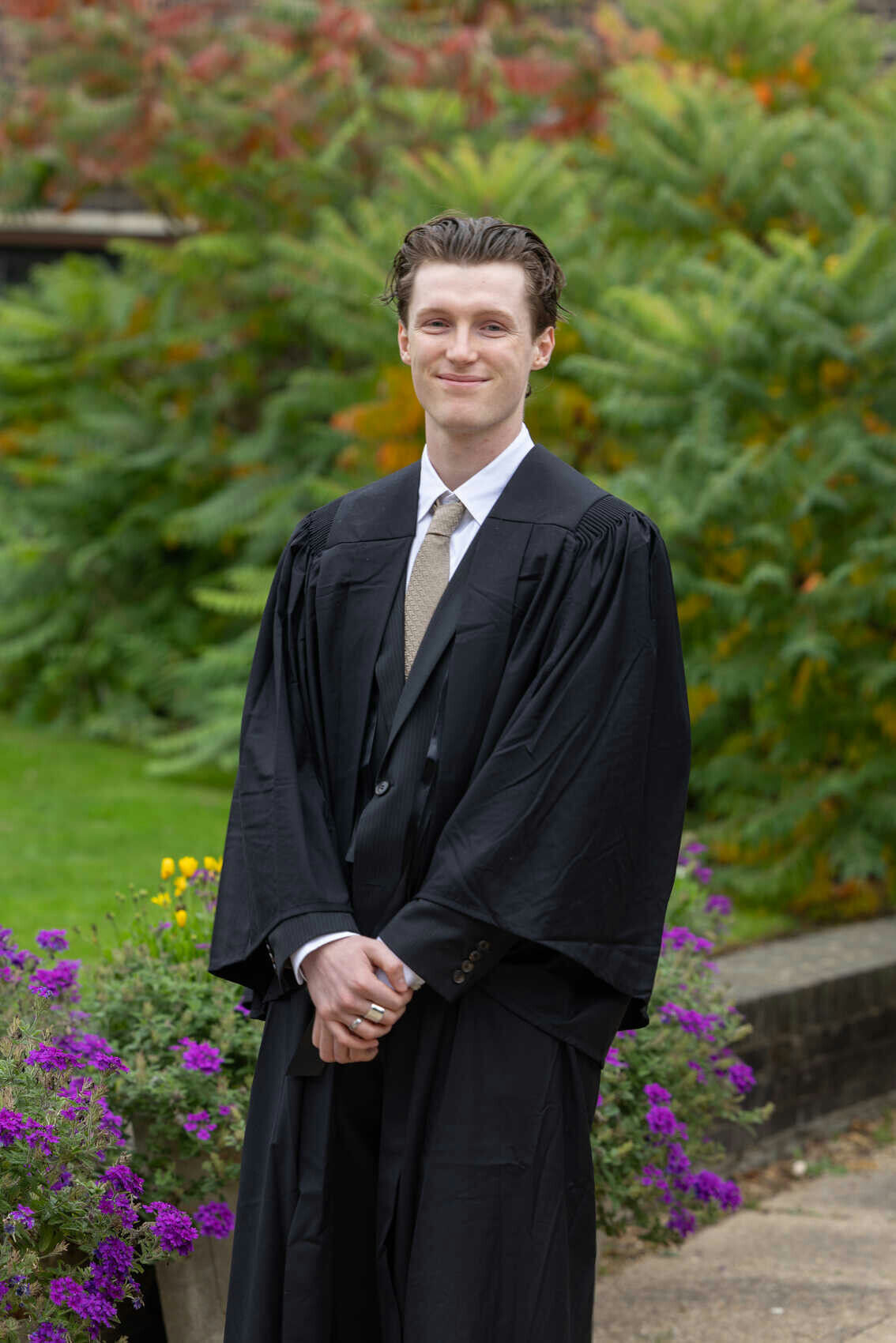
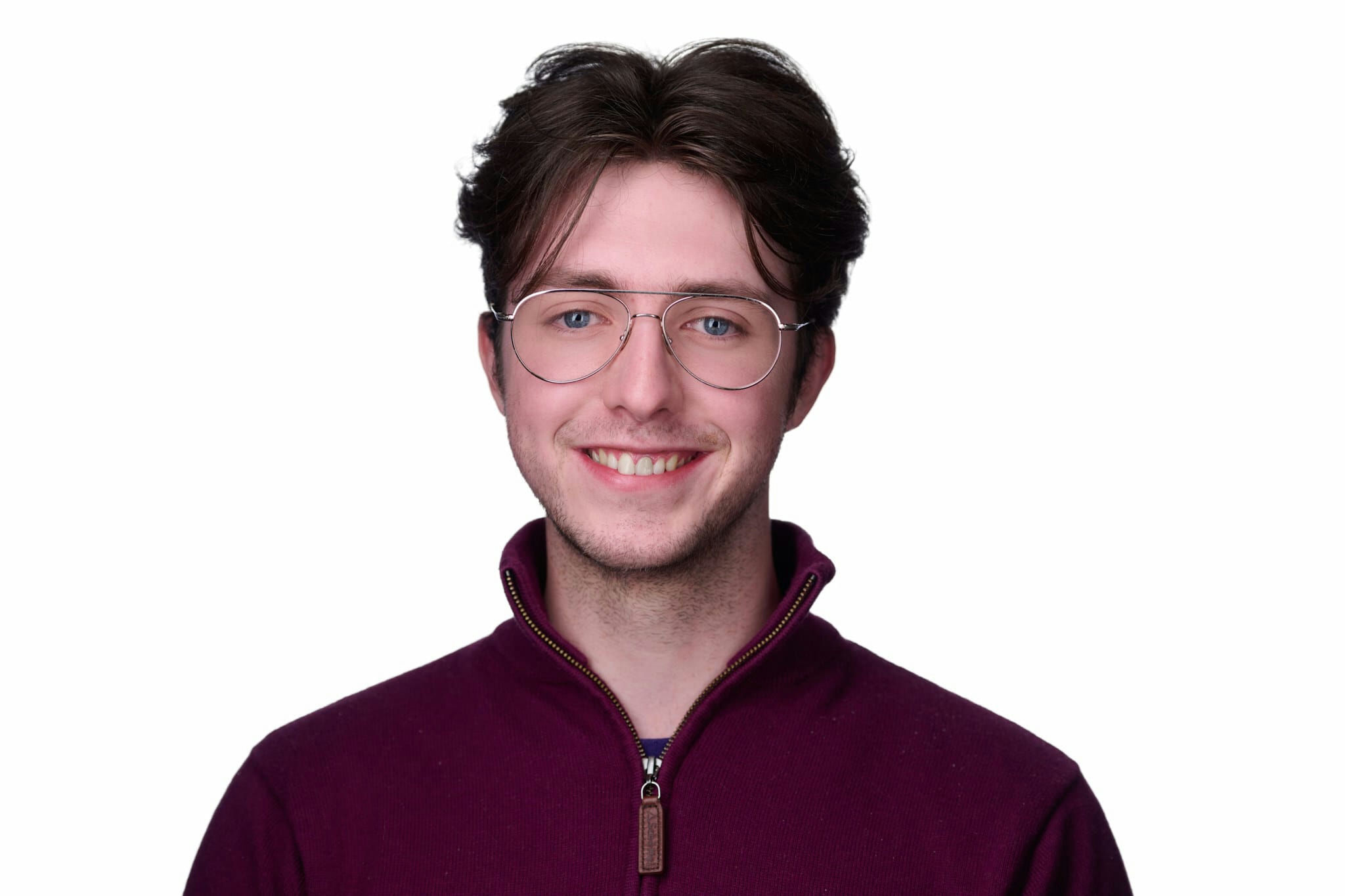
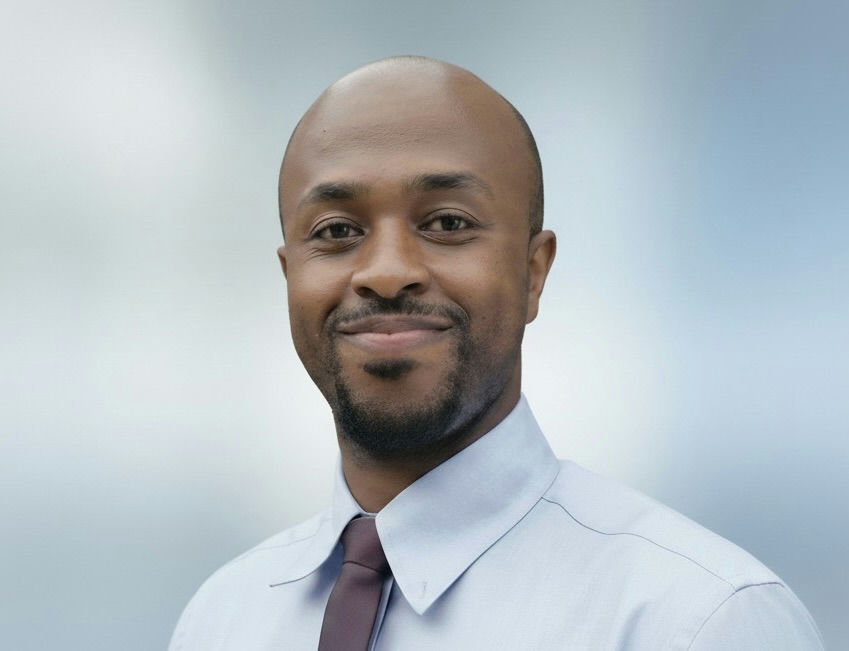
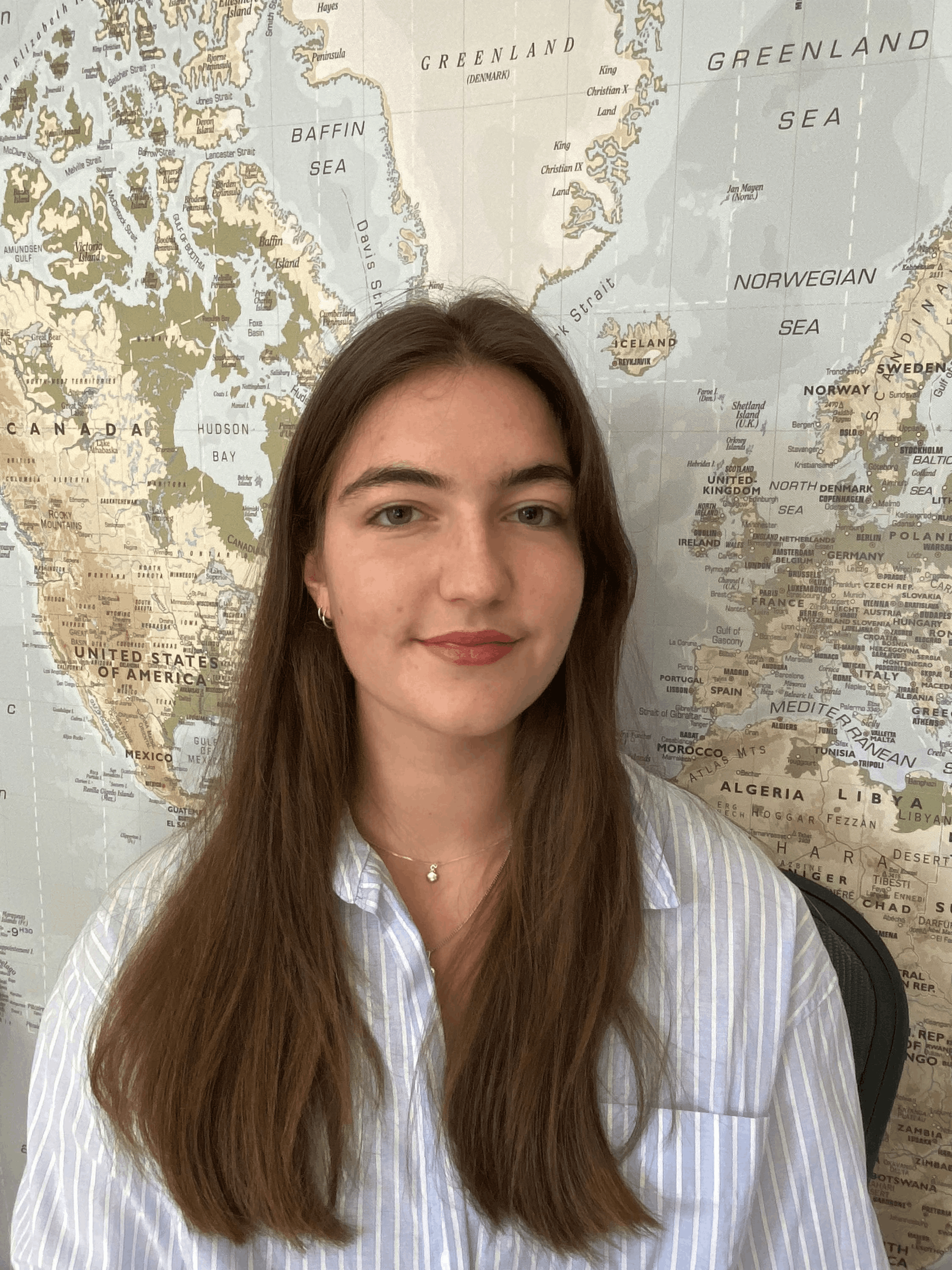
Participants from Lent 2026
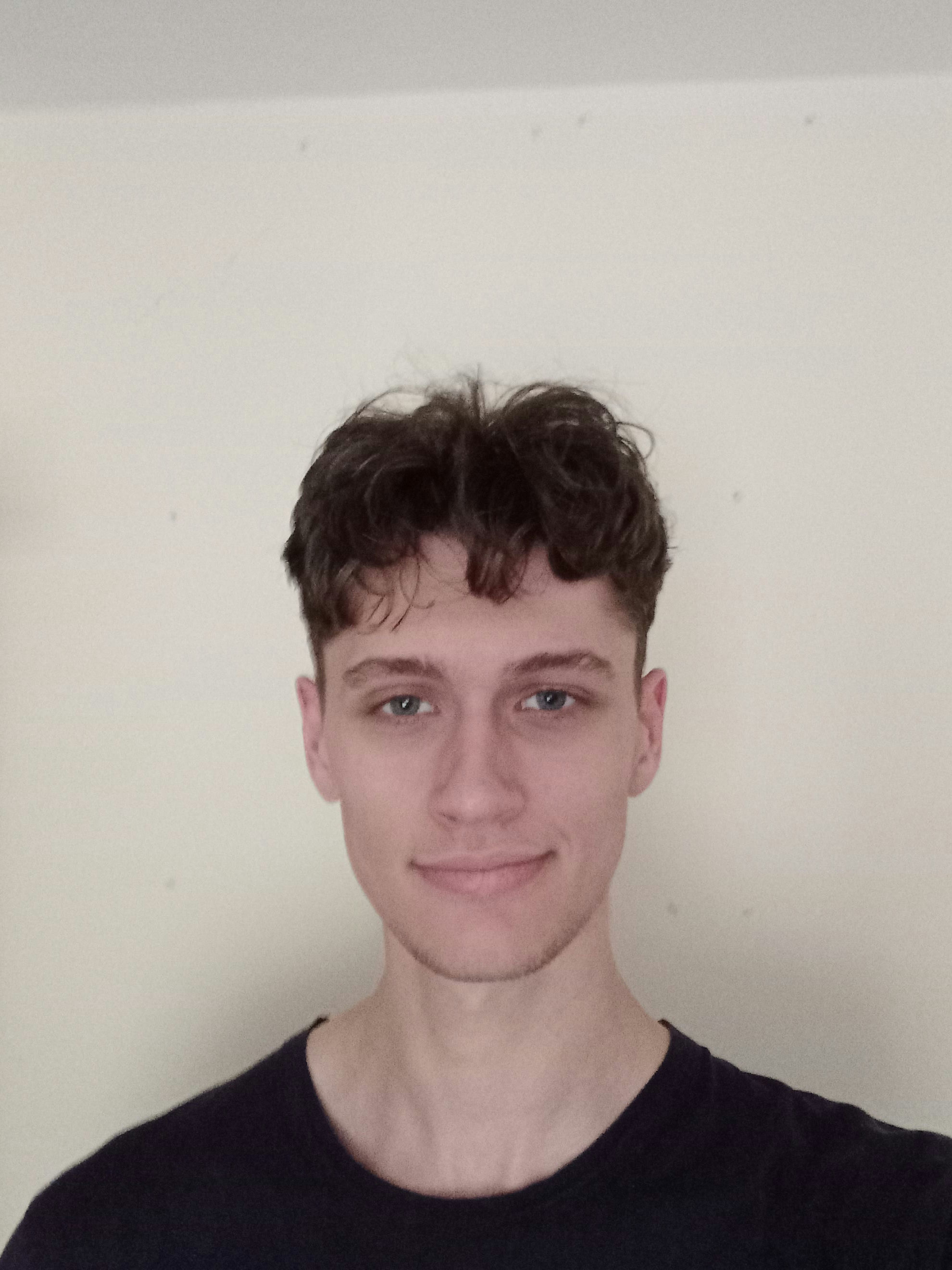
Cain Hillier
Now a Tarbell Fellow. He joined the programme as an MPhil student in Global Risk & Resilience at the Centre for the Study of Existential Risk. Previously a Technical Writer at Schneider Electric and Junior Researcher at the European Institute of Asian Studies. Bylines in East Asia Forum, EIAS and APEC features.
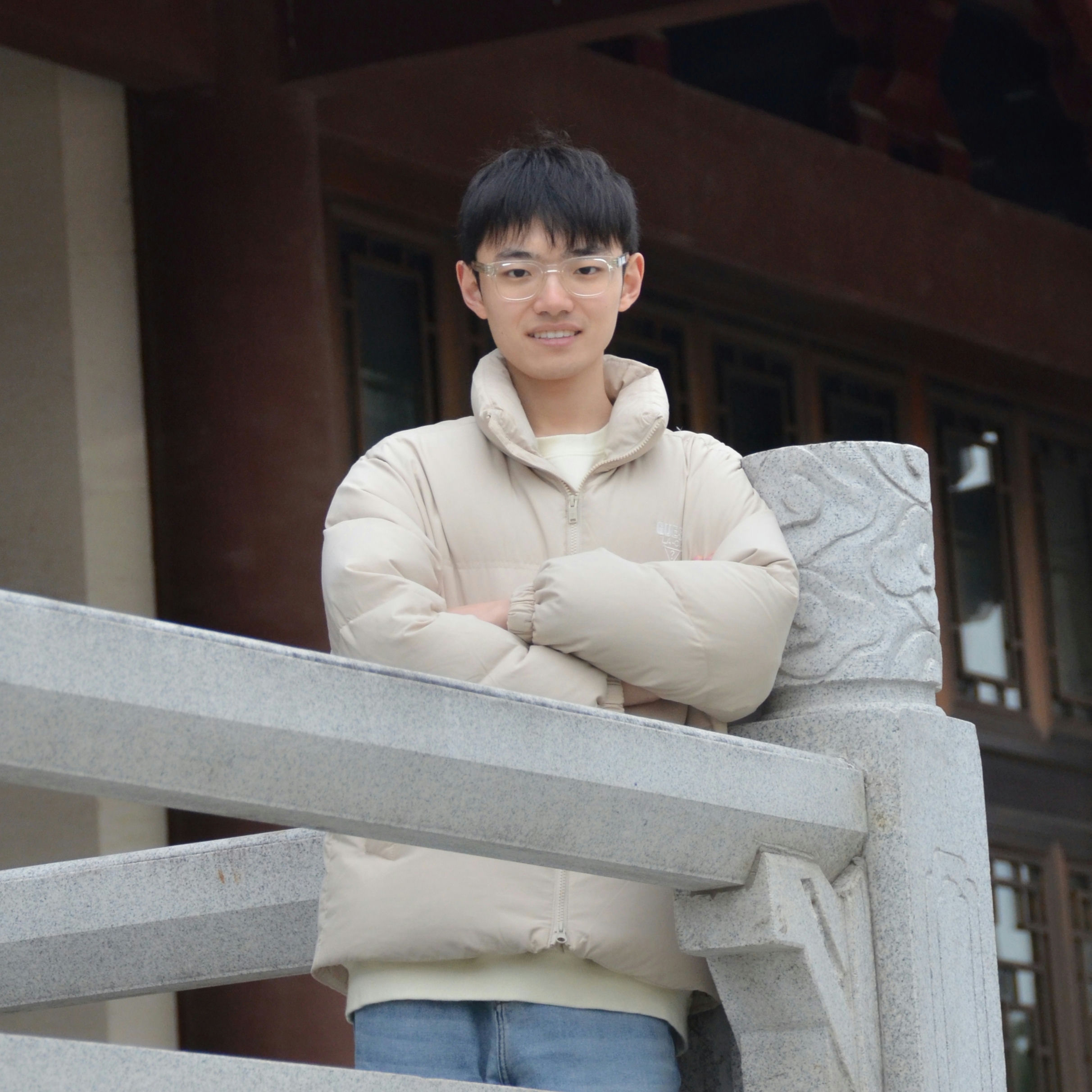
Masters in Mathematics from TU Munich and Bachelors from the University of Cambridge. Previously a quantitative trader in US Blue Chip ETFs, now pivoting into AI safety research through the ERA fellowship.
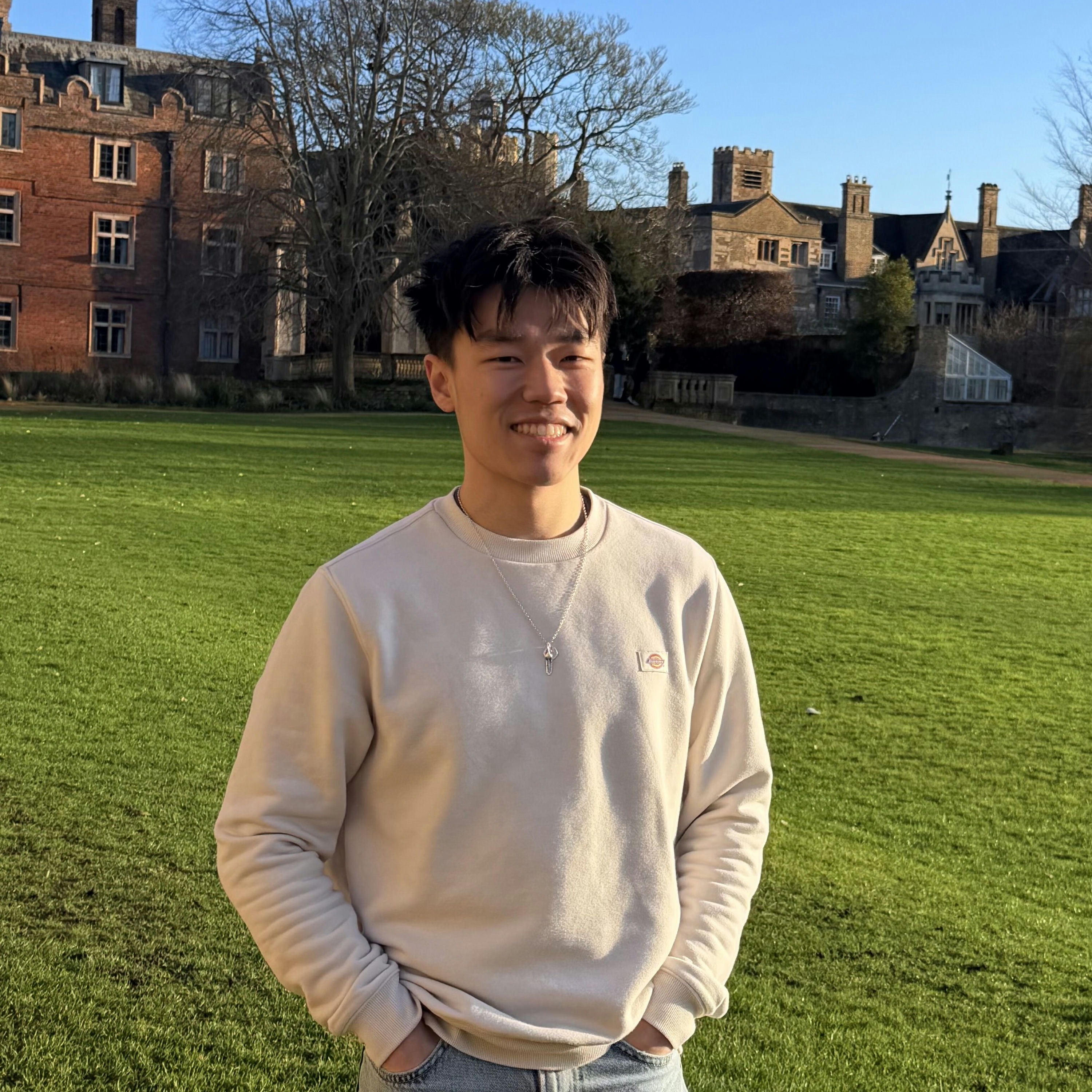
AI researcher with a PhD focused on AI security and adversarial robustness. Works on model failure modes, interpretability, and alignment, with a focus on how training objectives shape internal representations.
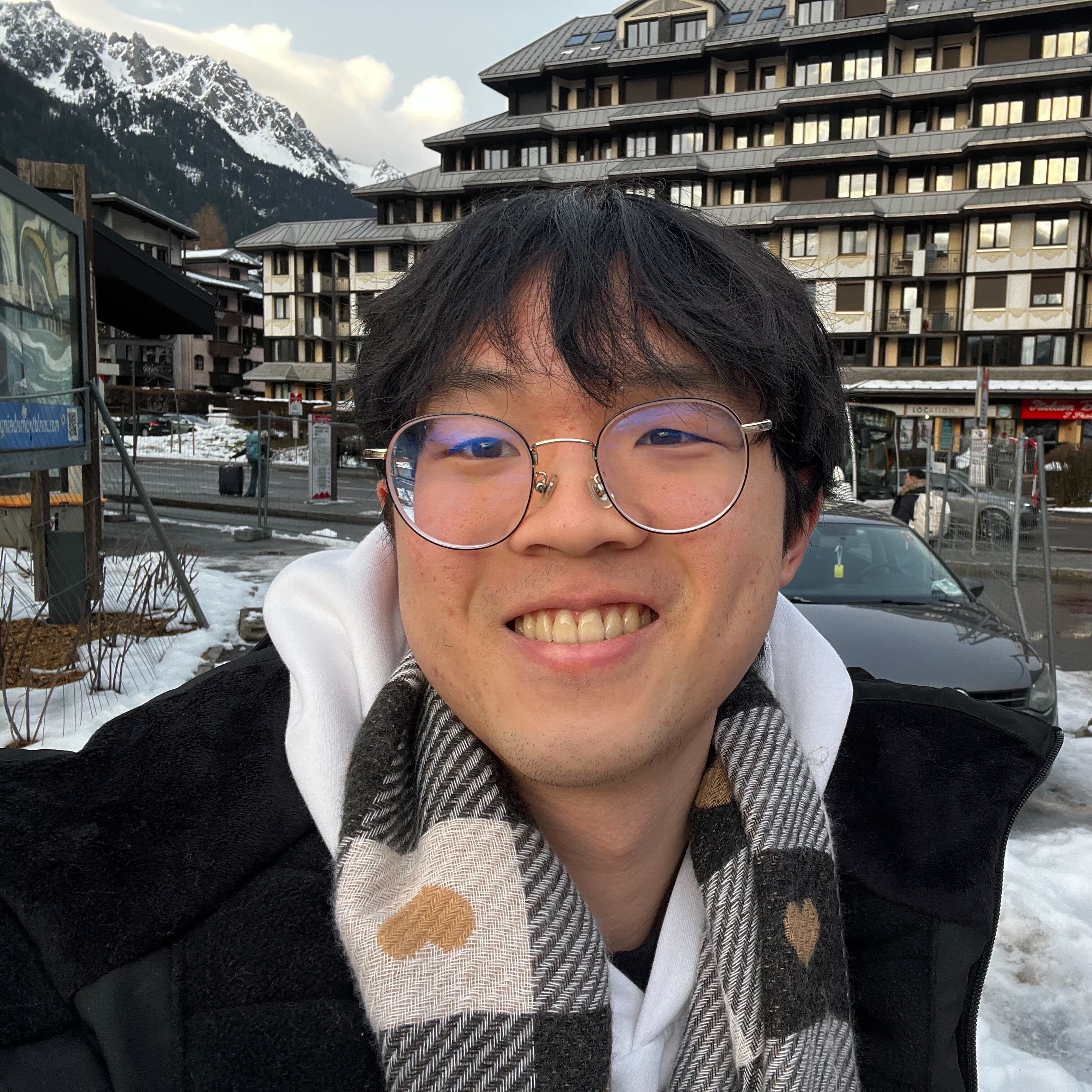
MPhil student in the Ethics of AI, Data and Algorithms at the University of Cambridge. Background in technology ethics and moral philosophy, with experience as an AI Analyst. Specialises in predictive AI, surveillance tech, fairness metrics, and AI governance.
2nd year Engineering student at Cambridge and Technical Officer at the Cambridge AI Builder Club. Background in full-stack software engineering, focused on bridging AI safety theory and engineering practice.
Third year undergrad engineer at Cambridge. Research interests include value alignment and how goal-directed behaviour emerges from RL. Helping out at CAISH since 2023, working on operations. Previously worked at Amazon doing software engineering, the Singapore AI Safety Institute researching hallucination detection, and a bit of singular learning theory.
2nd year Engineering student at Cambridge, currently exploring LLM finetuning and generalisation under a SPAR project. Interested in investigating technical solutions through a pragmatic lens through Alignment Desk. Background in robotics and software engineering.
Writing forces you to confront gaps in your understanding that remain hidden when you are just reading or thinking. It is also how people in this community come to know your work.
For many aspiring writers, the biggest challenge is turning ideas into finished pieces. Developing a habit of regular output is often what makes the difference between wanting to contribute and doing so.
"Writing is the single biggest difference-maker between reading a lot and efficiently developing real views on important topics."
By the end of term, you should have published pieces that show how you think about AI safety and that you can use as work samples when applying for jobs.
What kind of projects?
We are flexible on format. What matters is that you have a concrete output in mind.
Literature review
Review existing work on a technical or governance topic.
Explainer or tutorial
Explain a topic through an interactive piece or tutorial.
Research critique
Steelman or red-team a research agenda.
Original argument
Develop an argument, research note or proposal.
Distillation
Present existing work for a new audience.
Career reflection
Write publicly about your career plans or uncertainties.
Apply for Michaelmas 2026
The application takes about 10 to 15 minutes. We ask about your background and for a sense of what you might write about.