



How is MARS different from other programmes?
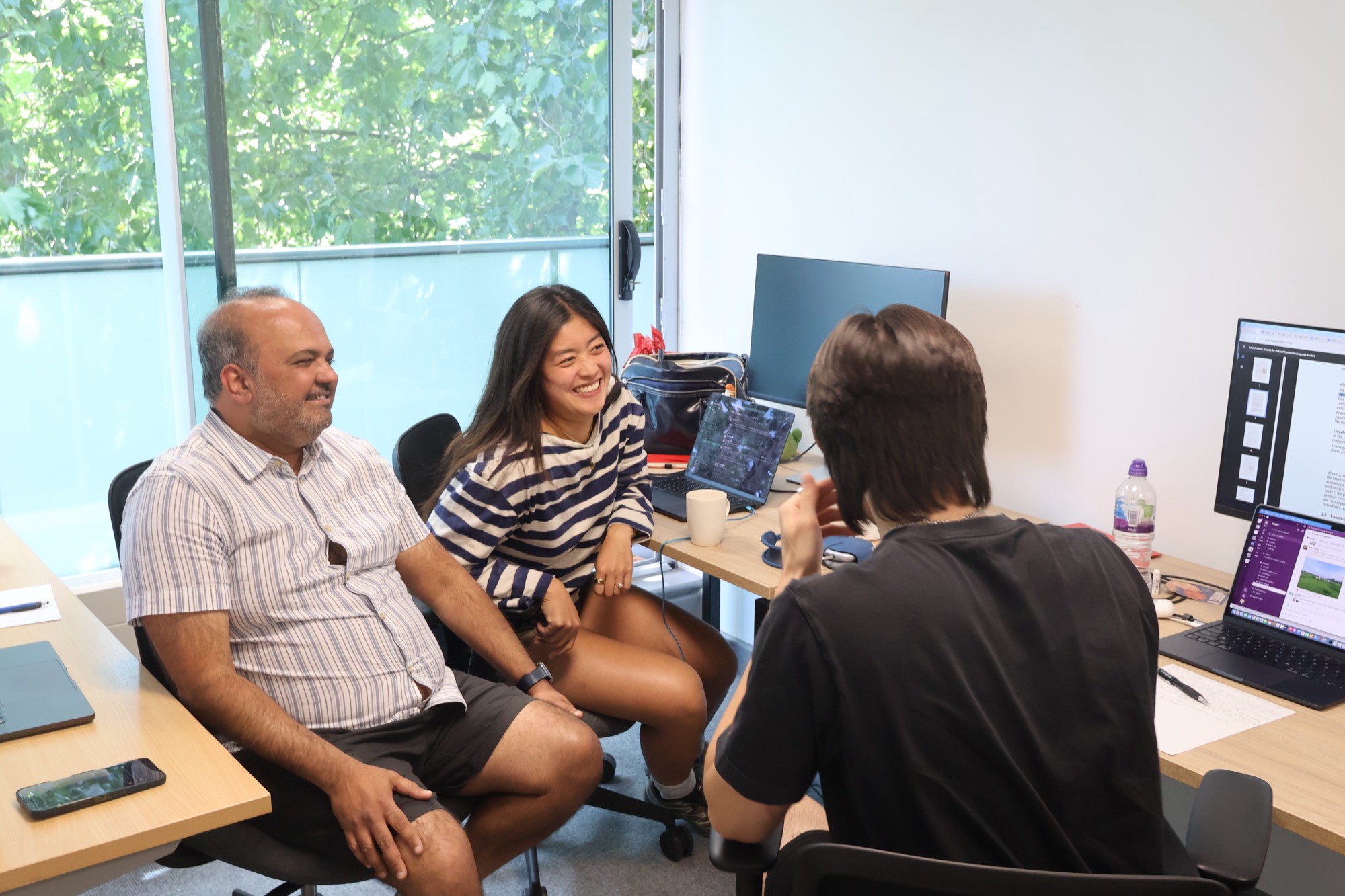
MARS is part-time and hybrid. Unlike fully in-person, full-time programmes (MATS, ERA) or fully remote ones (SPAR, FIG), MARS is compatible with concurrent studies or employment for both mentors and mentees.
What research areas does MARS cover?
Technical AI safety (AI control, interpretability, evaluations, robustness, scalable oversight) and AI governance & policy (international agreements, AI law, political philosophy, compute governance). See the full list of mentors and projects above.
How does the two-stage application work?
In Stage 1, you submit a general application with your background and interests. Strong candidates will be invited to Stage 2 before the final Stage 1 deadline. In Stage 2, you apply directly to a specific mentor whose project interests you. The mentor runs their own selection (interviews, coding tests, etc.) and chooses their team.
When does the programme run?
The current cohort runs from July to October 2026. The in-person weeks are July 13-26, followed by 8-10 weeks of remote part-time research ending in October. If you can’t join this cohort but want to be considered for the next one (December 2026), submit an Expression of Interest and we’ll notify you when applications open.
Is there any cost to participate?
No. MARS is free - CAISH provides travel funding, accommodation, office space, and meals during the in-person sprint week.
Is MARS compensated?
No, MARS is unpaid. Participants don’t receive a stipend or salary. CAISH covers all costs related to participation: travel and accommodation for the in-person week, meals, office space, compute ($2k+), Claude Max for technical streams, and research management support.
What support and resources are provided?
Teams receive a $2k+ compute budget, Claude Max (5x) for technical streams, a dedicated research manager, office space and catering during the sprint week, and travel funding and accommodation.
Who runs MARS?
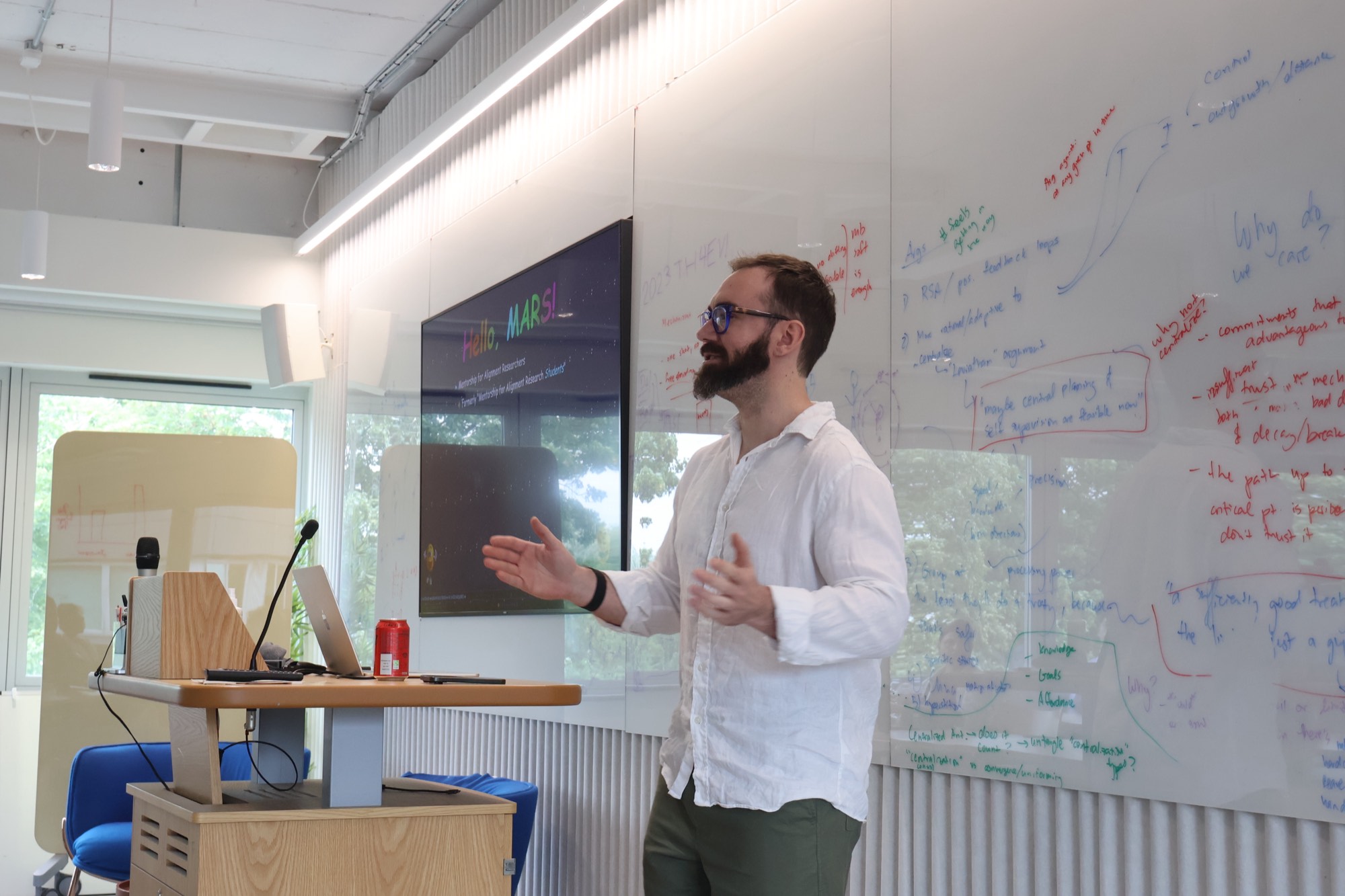
The Cambridge AI Safety Hub (CAISH). Gaurav Yadav and Justin Dollman currently co-direct CAISH and run MARS. MARS was founded in 2024 by Chloe Li, former CAISH director and current Anthropic Fellow.